mirror of
https://github.com/TECHNOFAB11/zfs-localpv.git
synced 2025-12-12 14:30:12 +01:00

278 lines
9.2 KiB
Markdown
278 lines
9.2 KiB
Markdown
# OpenEBS ZFS CSI Driver
|
|
[](https://app.fossa.io/projects/git%2Bgithub.com%2Fopenebs%2Fzfs-localpv?ref=badge_shield)
|
|
|
|
|
|
CSI driver for provisioning Local PVs backed by ZFS and more.
|
|
|
|
## Project Status
|
|
|
|
This project is under active development and considered to be in Alpha state.
|
|
The current implementation only supports provisioning and de-provisioning of ZFS Volumes.
|
|
|
|
## Usage
|
|
|
|
### Prerequisites
|
|
|
|
Before installing ZFS driver please make sure your Kubernetes Cluster
|
|
must meet the following prerequisites:
|
|
|
|
1. all the nodes must have zfs utils installed
|
|
2. ZPOOL has been setup for provisioning the volume
|
|
3. You have access to install RBAC components into kube-system namespace.
|
|
The OpenEBS ZFS driver components are installed in kube-system namespace
|
|
to allow them to be flagged as system critical components.
|
|
|
|
### Supported System
|
|
|
|
K8S : 1.14+
|
|
|
|
OS : ubuntu 18.04
|
|
|
|
ZFS : 0.7, 0.8
|
|
|
|
### Setup
|
|
|
|
All the node should have zfsutils-linux installed. We should go to the
|
|
each node of the cluster and install zfs utils
|
|
```
|
|
$ apt-get install zfsutils-linux
|
|
```
|
|
|
|
### Installation
|
|
|
|
OpenEBS ZFS driver components can be installed by running the
|
|
following command.
|
|
|
|
```
|
|
kubectl apply -f https://raw.githubusercontent.com/openebs/zfs-localpv/master/deploy/zfs-operator.yaml
|
|
```
|
|
|
|
Verify that the ZFS driver Components are installed and running using below command :
|
|
|
|
|
|
```
|
|
$ kubectl get pods -n kube-system -l role=openebs-zfs
|
|
```
|
|
|
|
Depending on number of nodes, you will see one zfs-controller pod and zfs-node daemonset running
|
|
on the nodes.
|
|
|
|
```
|
|
NAME READY STATUS RESTARTS AGE
|
|
openebs-zfs-controller-0 4/4 Running 0 5h28m
|
|
openebs-zfs-node-4d94n 2/2 Running 0 5h28m
|
|
openebs-zfs-node-gssh8 2/2 Running 0 5h28m
|
|
openebs-zfs-node-twmx8 2/2 Running 0 5h28m
|
|
|
|
```
|
|
|
|
Once ZFS driver is installed we can provision a volume.
|
|
|
|
|
|
### Deployment
|
|
|
|
#### 1. Create a Storage class
|
|
|
|
```
|
|
$ cat sc.yaml
|
|
|
|
apiVersion: storage.k8s.io/v1
|
|
kind: StorageClass
|
|
metadata:
|
|
name: openebs-zfspv
|
|
parameters:
|
|
blocksize: "4k"
|
|
compression: "off"
|
|
dedup: "off"
|
|
thinprovision: "no"
|
|
poolname: "zfspv-pool"
|
|
provisioner: zfs.csi.openebs.io
|
|
```
|
|
|
|
The storage class contains the volume paramaters like blocksize, compression, dedup and thinprovision. You can select what are all
|
|
parameters you want. In case paramenters are not provided, the volume will inherit the properties from the ZFS pool.
|
|
The *poolname* is the must argument. Also there must be a ZPOOL running on *all the nodes* with the name given in the storage class.
|
|
|
|
If ZFS pool is available on certain nodes only, then make use of topology to tell the list of nodes where we have the ZFS pool available.
|
|
As shown in the below storage class, we can use allowedTopologies to describe ZFS pool availability on nodes.
|
|
|
|
```
|
|
apiVersion: storage.k8s.io/v1
|
|
kind: StorageClass
|
|
metadata:
|
|
name: openebs-zfspv
|
|
allowVolumeExpansion: true
|
|
parameters:
|
|
blocksize: "4k"
|
|
compression: "off"
|
|
dedup: "off"
|
|
thinprovision: "no"
|
|
poolname: "zfspv-pool"
|
|
provisioner: zfs.csi.openebs.io
|
|
allowedTopologies:
|
|
- matchLabelExpressions:
|
|
- key: kubernetes.io/hostname
|
|
values:
|
|
- zfspv-node1
|
|
- zfspv-node2
|
|
```
|
|
|
|
The above storage class tells that ZFS pool "zfspv-pool" is available on nodes zfspv-node1 and zfspv-node2 only. The ZFS driver will create volumes on those nodes only.
|
|
|
|
Please note that the provisioner name for ZFS driver is "zfs.csi.openebs.io", we have to use this while creating the storage class so that the volume provisioning/deprovisioning request can come to ZFS driver.
|
|
|
|
#### 2. Create a PVC
|
|
|
|
```
|
|
$ cat pvc.yaml
|
|
|
|
kind: PersistentVolumeClaim
|
|
apiVersion: v1
|
|
metadata:
|
|
name: csi-zfspv
|
|
spec:
|
|
storageClassName: openebs-zfspv
|
|
accessModes:
|
|
- ReadWriteOnce
|
|
resources:
|
|
requests:
|
|
storage: 4Gi
|
|
```
|
|
|
|
Create a PVC using the storage class created for the ZFS driver.
|
|
|
|
#### 3. Check the kubernetes resource is created for the corresponding zfs volume
|
|
|
|
```
|
|
$ kubectl get zv -n openebs
|
|
NAME ZPOOL NODE SIZE
|
|
pvc-37b07ad6-db68-11e9-bbb6-000c296e38d9 zfspv-pool zfspv-node1 4294967296
|
|
```
|
|
|
|
The ZFS driver will create a ZFS dataset(zvol) on the node zfspv-node1 for the mentioned ZFS pool and the dataset name will same as PV name.
|
|
Go to the node zfspv-node1 and check the volume :-
|
|
|
|
```
|
|
$ zfs list
|
|
NAME USED AVAIL REFER MOUNTPOINT
|
|
zfspv-pool 4.25G 92.1G 96K /zfspv-pool
|
|
zfspv-pool/pvc-37b07ad6-db68-11e9-bbb6-000c296e38d9 4.25G 96.4G 5.69M -
|
|
```
|
|
|
|
#### 4. Scheduler
|
|
|
|
The ZFS driver has a scheduler which will try to distribute the PV across the nodes so that one node should not be loaded with the volumes. Currently the driver has
|
|
VolumeWeighted scheduling algorithm, in which it will try to find a ZFS pool which has less number of volumes provisioned in it from all the nodes where the ZFS pools are available.
|
|
Once it is able to find the node, it will create a PV for that node and also create a ZFSVolume custom resource for the volume with the NODE information. The watcher for this ZFSVolume
|
|
CR will get all the information for this object and creates a ZFS dataset(zvol) with the given ZFS property on the mentioned node.
|
|
|
|
As the scheduler takes into account the count of ZFS volumes only for scheduling decisions, it does not account available cpu or memory or anything while scheduling, so if you want to use node selector/affinity rules on the application pod or have cpu, memory constraints, you should use kubernetes scheduler for that, you can put volumeBindingMode as WaitForFirstConsumer in the storage class for delayed binding, which will make kubernetes scheduler to schedule the POD first then it will ask the ZFS driver to create the PV, the driver, then, will create the PV on the node where the POD is scheduled.
|
|
|
|
```
|
|
apiVersion: storage.k8s.io/v1
|
|
kind: StorageClass
|
|
metadata:
|
|
name: openebs-zfspv
|
|
allowVolumeExpansion: true
|
|
parameters:
|
|
blocksize: "4k"
|
|
compression: "on"
|
|
dedup: "on"
|
|
thinprovision: "no"
|
|
poolname: "zfspv-pool"
|
|
provisioner: zfs.csi.openebs.io
|
|
volumeBindingMode: WaitForFirstConsumer
|
|
```
|
|
Please note that once PV is created for a node, application using that PV will always come to that node only as PV will be stick to that node. The scheduling algorithm by ZFS driver or kubernetes will come into picture only at the deployment time, once PV is created, the application can not move anywhere as the data is there on the node where PV is.
|
|
|
|
#### 5. Deploy the application using this PVC
|
|
|
|
```
|
|
$ cat fio.yaml
|
|
|
|
apiVersion: v1
|
|
kind: Pod
|
|
metadata:
|
|
name: fio
|
|
spec:
|
|
restartPolicy: Never
|
|
containers:
|
|
- name: perfrunner
|
|
image: openebs/tests-fio
|
|
command: ["/bin/bash"]
|
|
args: ["-c", "while true ;do sleep 50; done"]
|
|
volumeMounts:
|
|
- mountPath: /datadir
|
|
name: fio-vol
|
|
tty: true
|
|
volumes:
|
|
- name: fio-vol
|
|
persistentVolumeClaim:
|
|
claimName: csi-zfspv
|
|
```
|
|
|
|
After the deployment of the application, we can go to the node and see that the zfs volume is being used
|
|
by the application for reading/writting the data and space is consumed form the ZFS pool.
|
|
|
|
Also we can check the kubernetes resource for the corresponding zfs volume
|
|
|
|
```
|
|
$ kubectl describe zv pvc-37b07ad6-db68-11e9-bbb6-000c296e38d9 -n openebs
|
|
|
|
Name: pvc-37b07ad6-db68-11e9-bbb6-000c296e38d9
|
|
Namespace: openebs
|
|
Labels: kubernetes.io/nodename=zfspv-node1
|
|
Annotations: <none>
|
|
API Version: openebs.io/v1alpha1
|
|
Kind: ZFSVolume
|
|
Metadata:
|
|
Creation Timestamp: 2019-09-20T05:33:52Z
|
|
Finalizers:
|
|
zfs.openebs.io/finalizer
|
|
Generation: 2
|
|
Resource Version: 20029636
|
|
Self Link: /apis/openebs.io/v1alpha1/namespaces/openebs/zfsvolumes/pvc-37b07ad6-db68-11e9-bbb6-000c296e38d9
|
|
UID: 3b20990a-db68-11e9-bbb6-000c296e38d9
|
|
Spec:
|
|
Blocksize: 4k
|
|
Capacity: 4294967296
|
|
Compression: off
|
|
Dedup: off
|
|
Encryption:
|
|
Keyformat:
|
|
Keylocation:
|
|
Owner Node ID: zfspv-node1
|
|
Pool Name: zfspv-pool
|
|
Thin Provision: no
|
|
Events: <none>
|
|
```
|
|
|
|
#### 6. ZFS Property Change
|
|
ZFS Volume Property can be changed like compression on/off can be done by just simply editing the kubernetes resource for the corresponding zfs volume by using below command :
|
|
|
|
```
|
|
kubectl edit zv pvc-37b07ad6-db68-11e9-bbb6-000c296e38d9 -n openebs
|
|
```
|
|
|
|
You can edit the relevant property like make compression on or make dedup on and save it.
|
|
This property will be applied to the corresponding volume and can be verified using
|
|
below command on the node:
|
|
|
|
```
|
|
zfs get all zfspv-pool/pvc-37b07ad6-db68-11e9-bbb6-000c296e38d9
|
|
```
|
|
|
|
#### 7. Deprovisioning
|
|
for deprovisioning the volume we can delete the application which is using the volume and then we can go ahead and delete the pv, as part of deletion of pv this volume will also be deleted from the ZFS pool and data will be freed.
|
|
|
|
```
|
|
$ kubectl delete -f fio.yaml
|
|
pod "fio" deleted
|
|
$ kubectl delete -f pvc.yaml
|
|
persistentvolumeclaim "csi-zfspv" deleted
|
|
```
|
|
|
|
|
|
|
|
## License
|
|
[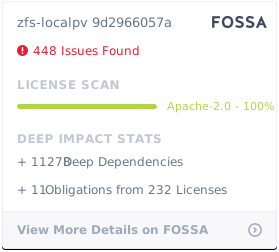](https://app.fossa.io/projects/git%2Bgithub.com%2Fopenebs%2Fzfs-localpv?ref=badge_large)
|