2019-09-18 19:50:46 +05:30
|
|
|
# OpenEBS ZFS CSI Driver
|
2019-09-18 23:05:27 -07:00
|
|
|
[](https://app.fossa.io/projects/git%2Bgithub.com%2Fopenebs%2Fzfs-localpv?ref=badge_shield)
|
|
|
|
|
|
2019-09-18 19:50:46 +05:30
|
|
|
|
|
|
|
|
CSI driver for provisioning Local PVs backed by ZFS and more.
|
|
|
|
|
|
|
|
|
|
## Project Status
|
|
|
|
|
|
|
|
|
|
This project is under active development and considered to be in Alpha state.
|
|
|
|
|
The current implementation only supports provisioning and de-provisioning of ZFS Volumes.
|
|
|
|
|
|
|
|
|
|
## Usage
|
|
|
|
|
|
|
|
|
|
### Prerequisites
|
|
|
|
|
|
|
|
|
|
Before installing ZFS driver please make sure your Kubernetes Cluster
|
|
|
|
|
must meet the following prerequisites:
|
|
|
|
|
|
|
|
|
|
1. all the nodes must have zfs utils installed
|
|
|
|
|
2. ZPOOL has been setup for provisioning the volume
|
|
|
|
|
3. You have access to install RBAC components into kube-system namespace.
|
|
|
|
|
The OpenEBS ZFS driver components are installed in kube-system namespace
|
|
|
|
|
to allow them to be flagged as system critical components.
|
|
|
|
|
|
2019-09-20 19:47:21 +05:30
|
|
|
### Supported System
|
|
|
|
|
|
|
|
|
|
K8S : 1.14+
|
|
|
|
|
|
|
|
|
|
OS : ubuntu 18.04
|
|
|
|
|
|
|
|
|
|
ZFS : 0.7, 0.8
|
|
|
|
|
|
2019-09-18 19:50:46 +05:30
|
|
|
### Setup
|
|
|
|
|
|
|
|
|
|
All the node should have zfsutils-linux installed. We should go to the
|
|
|
|
|
each node of the cluster and install zfs utils
|
|
|
|
|
```
|
|
|
|
|
$ apt-get install zfsutils-linux
|
|
|
|
|
```
|
|
|
|
|
|
|
|
|
|
### Installation
|
|
|
|
|
|
|
|
|
|
OpenEBS ZFS driver components can be installed by running the
|
|
|
|
|
following command.
|
|
|
|
|
|
|
|
|
|
```
|
|
|
|
|
kubectl apply -f https://raw.githubusercontent.com/openebs/zfs-localpv/master/deploy/zfs-operator.yaml
|
|
|
|
|
```
|
|
|
|
|
|
|
|
|
|
Verify that the ZFS driver Components are installed and running using below command :
|
|
|
|
|
|
|
|
|
|
|
|
|
|
|
```
|
|
|
|
|
$ kubectl get pods -n kube-system -l role=openebs-zfs
|
|
|
|
|
```
|
|
|
|
|
|
|
|
|
|
Depending on number of nodes, you will see one zfs-controller pod and zfs-node daemonset running
|
|
|
|
|
on the nodes.
|
|
|
|
|
|
|
|
|
|
```
|
|
|
|
|
NAME READY STATUS RESTARTS AGE
|
|
|
|
|
openebs-zfs-controller-0 4/4 Running 0 5h28m
|
|
|
|
|
openebs-zfs-node-4d94n 2/2 Running 0 5h28m
|
|
|
|
|
openebs-zfs-node-gssh8 2/2 Running 0 5h28m
|
|
|
|
|
openebs-zfs-node-twmx8 2/2 Running 0 5h28m
|
|
|
|
|
|
|
|
|
|
```
|
|
|
|
|
|
|
|
|
|
Once ZFS driver is installed we can provision a volume.
|
|
|
|
|
|
|
|
|
|
|
|
|
|
|
### Deployment
|
|
|
|
|
|
|
|
|
|
1. create a Storage class
|
|
|
|
|
|
2019-09-20 11:27:09 +05:30
|
|
|
```
|
|
|
|
|
$ cat sc.yaml
|
|
|
|
|
|
2019-09-18 19:50:46 +05:30
|
|
|
```yaml
|
|
|
|
|
apiVersion: storage.k8s.io/v1
|
|
|
|
|
kind: StorageClass
|
|
|
|
|
metadata:
|
|
|
|
|
name: openebs-zfspv
|
|
|
|
|
parameters:
|
|
|
|
|
blocksize: "4k"
|
|
|
|
|
compression: "off"
|
|
|
|
|
dedup: "off"
|
|
|
|
|
thinprovision: "no"
|
|
|
|
|
poolname: "zfspv-pool"
|
|
|
|
|
provisioner: openebs.io/zfs
|
|
|
|
|
```
|
|
|
|
|
|
|
|
|
|
The storage class contains the volume paramaters like blocksize, compression, dedup and thinprovision. You can select what are all
|
|
|
|
|
parameters you want. The above yaml shows the default values in case paramenters are not provided or wrong value has been provided.
|
|
|
|
|
The *poolname* is the must argument. There must be a ZPOOL running on the node with the name given in this storage class.
|
|
|
|
|
|
|
|
|
|
Here we have to give the provisioner as "openebs.io/zfs" which is the provisioner name of the ZFS driver.
|
|
|
|
|
|
|
|
|
|
2. create a PVC
|
|
|
|
|
|
2019-09-20 11:27:09 +05:30
|
|
|
```
|
|
|
|
|
$ cat pvc.yaml
|
|
|
|
|
|
2019-09-18 19:50:46 +05:30
|
|
|
```yaml
|
|
|
|
|
kind: PersistentVolumeClaim
|
|
|
|
|
apiVersion: v1
|
|
|
|
|
metadata:
|
|
|
|
|
name: csi-zfspv
|
|
|
|
|
spec:
|
|
|
|
|
storageClassName: openebs-zfspv
|
|
|
|
|
accessModes:
|
|
|
|
|
- ReadWriteOnce
|
|
|
|
|
resources:
|
|
|
|
|
requests:
|
|
|
|
|
storage: 4Gi
|
|
|
|
|
```
|
|
|
|
|
|
|
|
|
|
Create a PVC using the storage class created with the openebs.io/zfs provisioner.
|
|
|
|
|
|
2019-09-20 11:27:09 +05:30
|
|
|
3. Check the kubernetes resource is created for the corresponding zfs volume
|
|
|
|
|
|
|
|
|
|
```
|
|
|
|
|
$ kubectl get zv -n openebs
|
|
|
|
|
NAME NODE SIZE
|
|
|
|
|
pvc-37b07ad6-db68-11e9-bbb6-000c296e38d9 4294967296
|
|
|
|
|
```
|
|
|
|
|
|
|
|
|
|
Here note that NODE field will be empty as application POD has not yet deployed.
|
|
|
|
|
When application will be deployed, as a part of deploying the application the ZFS
|
|
|
|
|
driver will create the zfs volume of name pvc-37b07ad6-db68-11e9-bbb6-000c296e38d9
|
|
|
|
|
in the pool mentioned in the storage class.
|
|
|
|
|
|
|
|
|
|
4. Deploy the application using this PVC
|
|
|
|
|
|
|
|
|
|
```
|
|
|
|
|
$ cat fio.yaml
|
2019-09-18 19:50:46 +05:30
|
|
|
|
|
|
|
|
```yaml
|
|
|
|
|
apiVersion: v1
|
|
|
|
|
kind: Pod
|
|
|
|
|
metadata:
|
|
|
|
|
name: fio
|
|
|
|
|
spec:
|
|
|
|
|
affinity:
|
|
|
|
|
nodeAffinity:
|
|
|
|
|
requiredDuringSchedulingIgnoredDuringExecution:
|
|
|
|
|
nodeSelectorTerms:
|
|
|
|
|
- matchExpressions:
|
|
|
|
|
- key: kubernetes.io/hostname
|
|
|
|
|
operator: In
|
|
|
|
|
values:
|
2019-09-20 11:27:09 +05:30
|
|
|
- k8s-virtual-machine
|
2019-09-18 19:50:46 +05:30
|
|
|
restartPolicy: Never
|
|
|
|
|
containers:
|
|
|
|
|
- name: perfrunner
|
|
|
|
|
image: openebs/tests-fio
|
|
|
|
|
command: ["/bin/bash"]
|
|
|
|
|
args: ["-c", "while true ;do sleep 50; done"]
|
|
|
|
|
volumeMounts:
|
|
|
|
|
- mountPath: /datadir
|
|
|
|
|
name: fio-vol
|
|
|
|
|
tty: true
|
|
|
|
|
volumes:
|
|
|
|
|
- name: fio-vol
|
|
|
|
|
persistentVolumeClaim:
|
|
|
|
|
claimName: csi-zfspv
|
|
|
|
|
```
|
|
|
|
|
|
|
|
|
|
Here in alpha version of the ZFS driver we have to make use of node selector or node affinity
|
|
|
|
|
to make the application pod stick to the node as the application pod should not move to the
|
|
|
|
|
other node because the data will be there on one node only.
|
|
|
|
|
|
|
|
|
|
After the deployment of the application we can go to the node and see that a zfs volume has been
|
|
|
|
|
created in the pool mentioned in the storage class and application is using that volume for writting
|
|
|
|
|
the data. This is in effect working like waitforFirstConsumer so the actual ZFS volume will be create
|
|
|
|
|
when application is deployed to the node.
|
|
|
|
|
|
|
|
|
|
```
|
|
|
|
|
$ zfs list
|
|
|
|
|
NAME USED AVAIL REFER MOUNTPOINT
|
|
|
|
|
zfspv-pool 4.25G 92.1G 96K /zfspv-pool
|
2019-09-20 11:27:09 +05:30
|
|
|
zfspv-pool/pvc-37b07ad6-db68-11e9-bbb6-000c296e38d9 4.25G 96.4G 5.69M -
|
|
|
|
|
```
|
|
|
|
|
Also we can check the kubernetes resource for the corresponding zfs volume
|
|
|
|
|
|
2019-09-18 19:50:46 +05:30
|
|
|
```
|
2019-09-20 11:27:09 +05:30
|
|
|
$ kubectl get zv -n openebs
|
|
|
|
|
NAME NODE SIZE
|
|
|
|
|
pvc-37b07ad6-db68-11e9-bbb6-000c296e38d9 k8s-virtual-machine 4294967296
|
|
|
|
|
|
|
|
|
|
$ kubectl describe zv pvc-37b07ad6-db68-11e9-bbb6-000c296e38d9 -n openebs
|
2019-09-18 19:50:46 +05:30
|
|
|
|
2019-09-20 11:27:09 +05:30
|
|
|
```yaml
|
|
|
|
|
Name: pvc-37b07ad6-db68-11e9-bbb6-000c296e38d9
|
|
|
|
|
Namespace: openebs
|
|
|
|
|
Labels: kubernetes.io/nodename=k8s-virtual-machine
|
|
|
|
|
Annotations: <none>
|
|
|
|
|
API Version: openebs.io/v1alpha1
|
|
|
|
|
Kind: ZFSVolume
|
|
|
|
|
Metadata:
|
|
|
|
|
Creation Timestamp: 2019-09-20T05:33:52Z
|
|
|
|
|
Finalizers:
|
|
|
|
|
zfs.openebs.io/finalizer
|
|
|
|
|
Generation: 2
|
|
|
|
|
Resource Version: 20029636
|
|
|
|
|
Self Link: /apis/openebs.io/v1alpha1/namespaces/openebs/zfsvolumes/pvc-37b07ad6-db68-11e9-bbb6-000c296e38d9
|
|
|
|
|
UID: 3b20990a-db68-11e9-bbb6-000c296e38d9
|
|
|
|
|
Spec:
|
|
|
|
|
Blocksize: 4k
|
|
|
|
|
Capacity: 4294967296
|
|
|
|
|
Compression: off
|
|
|
|
|
Dedup: off
|
|
|
|
|
Owner Node ID: k8s-virtual-machine
|
|
|
|
|
Pool Name: zfspv-pool
|
|
|
|
|
Thin Provison: no
|
|
|
|
|
Events: <none>
|
|
|
|
|
```
|
|
|
|
|
|
|
|
|
|
5. ZFS Volume Property Change like compression on/off can be done by just simply
|
|
|
|
|
editing the kubernetes resource for the corresponding zfs volume by using below command :
|
|
|
|
|
|
|
|
|
|
```
|
|
|
|
|
kubectl edit zv pvc-37b07ad6-db68-11e9-bbb6-000c296e38d9 -n openebs
|
|
|
|
|
```
|
|
|
|
|
|
|
|
|
|
You can edit the relevant property like make compression on or make dedup on and save it.
|
|
|
|
|
This property will be applied to the corresponding volume and can be verified using
|
|
|
|
|
below command on the node:
|
|
|
|
|
|
|
|
|
|
```
|
|
|
|
|
zfs get all zfspv-pool/pvc-37b07ad6-db68-11e9-bbb6-000c296e38d9
|
|
|
|
|
```
|
|
|
|
|
|
|
|
|
|
6. for deprovisioning the volume we can delete the application which is using
|
2019-09-18 19:50:46 +05:30
|
|
|
the volume and then we can go ahead and delete the pv, as part of deletion of
|
2019-09-19 16:58:46 +05:30
|
|
|
pv this volume will also be deleted from the ZFS pool and data will be freed.
|
2019-09-18 19:50:46 +05:30
|
|
|
|
2019-09-20 11:27:09 +05:30
|
|
|
```
|
|
|
|
|
$ kubectl delete -f fio.yaml
|
|
|
|
|
pod "fio" deleted
|
|
|
|
|
$ kubectl delete -f pvc.yaml
|
|
|
|
|
persistentvolumeclaim "csi-zfspv" deleted
|
|
|
|
|
```
|
|
|
|
|
|
2019-09-18 23:05:27 -07:00
|
|
|
|
|
|
|
|
|
|
|
|
|
## License
|
|
|
|
|
[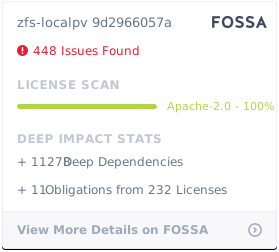](https://app.fossa.io/projects/git%2Bgithub.com%2Fopenebs%2Fzfs-localpv?ref=badge_large)
|